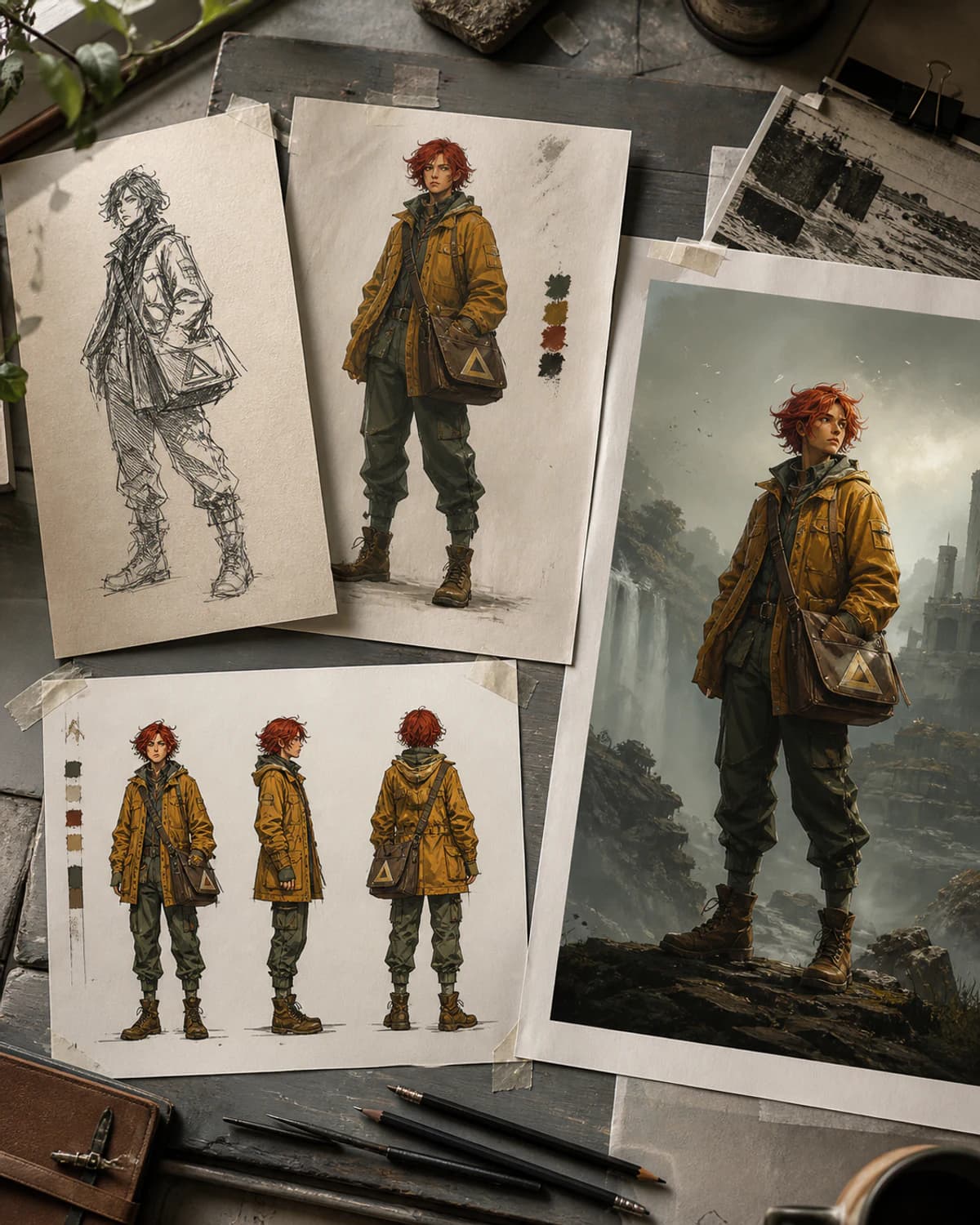
Character design guide
Best AI for Character Design: Choose by the Work You Need
The best AI for character design is not the tool that wins one portrait. It is the workflow that can move your approved character through exploration, revision, and repeated scenes with the least avoidable rework.
01
“Best” is the wrong question without a production stage
A striking gallery image proves that a model can make a striking image. It does not show whether you can revise the jacket without changing the face, place two cast members together, recover an earlier version, or make ten scenes that still look like one project. Those are different jobs.
Comparison lists often compress them into a single rank. That encourages people to choose on surface style, then discover the expensive limitation after the character has been approved. The useful comparison begins with where the image sits in production: open-ended ideation, controlled design, consistent scene generation, precise editing, or final delivery.
02
Define the job before choosing a character design tool
Use the same brief to test every candidate. Ask for a neutral portrait, an action pose, a close-up, an outfit change, a difficult lighting condition, and one scene with another subject. Save the prompt, references, settings, generation count, and time spent correcting mistakes. The result is a workflow comparison rather than a taste contest.
CharaSync is designed for the stage after a look starts to matter: save an approved character as a named reference, reuse it across image and video prompts, and keep identity evidence close to the work. It may complement an ideation or pixel-editing tool rather than replace every tool in the pipeline.
Decision criteria
Five tests for the best AI for character design
Exploration speed
Judge how quickly you can compare silhouettes, ages, wardrobes, and art directions without wrestling with setup. Fast ideation matters early, but it becomes less valuable once the team has approved a specific face and costume. Record how many usable directions appear, not how many images the tool can produce.
Identity control
Use the same person in a close-up, profile, full-body action shot, and low-light scene. Look at eye spacing, jaw, hairline, age, body proportion, and signature clothing. A tool that keeps mood but changes the actor is not solving character continuity.
Revision precision
Try changing one item while protecting everything else. If “make the coat red” also changes pose, face, framing, and background, each revision becomes a new lottery ticket. Local editing, masks, layers, or a disciplined reference workflow can matter more than raw first-image quality.
Production fit
Check aspect ratios, output resolution, image and video support, version history, reference management, export, commercial terms, and team review. These details are dull during a demo and decisive during delivery. Verify current terms on each provider’s official site before committing a client project.
Learning and operating cost
Include subscription price, paid credits, failed generations, setup time, local hardware, model downloads, and manual cleanup. A lower monthly fee can still cost more when every scene needs twenty attempts or a specialist to reproduce last week’s result.
A focused workflow
From reference to repeatable output
- 01
Write one fixed character brief
Define the face, hair, age, silhouette, signature garment, visual style, and the exact variations each tool must produce. Do not improve the brief for one candidate only.
- 02
Run a six-image stress test
Generate a neutral portrait, profile, action pose, close-up, outfit change, and difficult scene. Track attempts and corrections, then compare the full set at once.
- 03
Choose the workflow, not the winner
Select one tool for the highest-risk stage or combine tools intentionally: exploration, identity continuity, local correction, and finishing do not need the same engine.
Tool categories
Where the best AI for character design fits in production
Prompt-first hosted generators
These tools are often the quickest way to explore a visual direction. They can produce polished style, lighting, and composition from a short brief, with little technical setup. Test whether they support character references, how strongly those references can be weighted, and whether a saved project can be reproduced later.
Choose this category when speed and visual range matter most. Do not assume a beautiful first portrait guarantees controllable revisions or a stable cast. Your six-image test should decide that.
Reference-first consistency tools
This category begins with an approved image and asks what must stay recognizable while the scene changes. CharaSync belongs here: it supports up to four references, named subjects in prompts, image generation, and video generation. That makes it useful for recurring characters, creator campaigns, and story sequences.
The tradeoff is editorial responsibility. References can disagree, difficult angles can still drift, and outputs need review. The advantage is that identity management is part of the normal workflow instead of an improvised folder of old images and prompts.
Local and node-based workflows
Open model ecosystems can offer deep control over checkpoints, adapters, conditioning, masks, and multi-stage pipelines. They suit technical creators who need repeatability and are willing to manage models, hardware, storage, and updates. The setup burden is real, and a workflow that only one team member understands can become a delivery risk.
Evaluate the final operating system, not a tutorial screenshot. Can another person open the graph, find the approved character input, and reproduce a result after the model stack changes?
Editing and finishing tools
A generation tool does not remove the need for correction. Layer-based editors and dedicated retouching tools remain better for exact typography, logos, hands, small costume details, compositing, color management, and delivery files. They protect approved pixels when a full regeneration would introduce unnecessary change.
For many teams, the best AI for character design is therefore a short stack: fast exploration, a reference-based continuity stage, and precise finishing. The stack is better only when handoffs are named and files remain traceable.
What stays consistent
Protect the details audiences remember
A decision tied to your real deliverable
Choose based on the scenes, revisions, formats, and people your project actually requires, not a provider’s strongest showcase image.
Visible tradeoffs before approval
The same six-image test exposes identity drift, weak edit control, high attempt counts, and missing delivery features before the workflow becomes expensive to change.
A smaller, clearer tool stack
Give each tool one defined role and remove overlapping subscriptions that do not improve the finished sequence.
Before you create
Frequently asked questions
What is the best AI for character design?
No universal winner fits every production stage. The best AI for character design is the one that fits your highest-risk stage. Run the same six-image brief, then compare exploration, identity control, revision precision, and finishing effort.
How should I compare character consistency?
Use one approved identity in a portrait, profile, full-body action pose, close-up, outfit change, and difficult scene. Compare facial structure, age, hair, silhouette, and signature details, then record how many attempts and manual fixes each result required.
Do I need one tool for the whole workflow?
Usually not. A simple stack can be easier to control: one tool for exploration, one for reference-based continuity, and an editor for exact corrections. What matters is that the approved character and handoff files stay traceable.
Can CharaSync create both images and video?
Yes. CharaSync supports reference-guided image and video creation. Keep the first tests short and visually simple, then expand once the character, wardrobe, and motion remain recognizable.
More ways to create
Explore related use cases
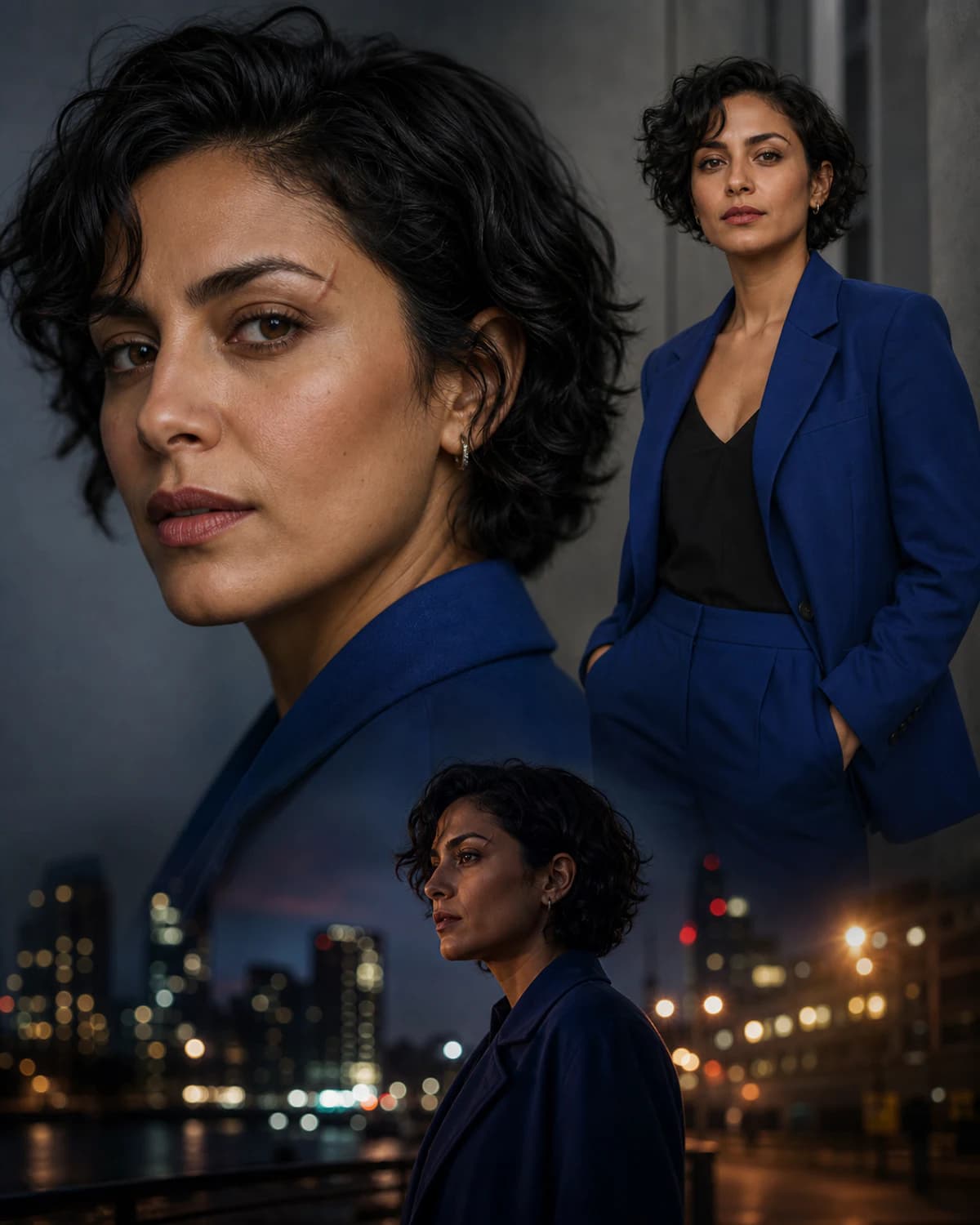
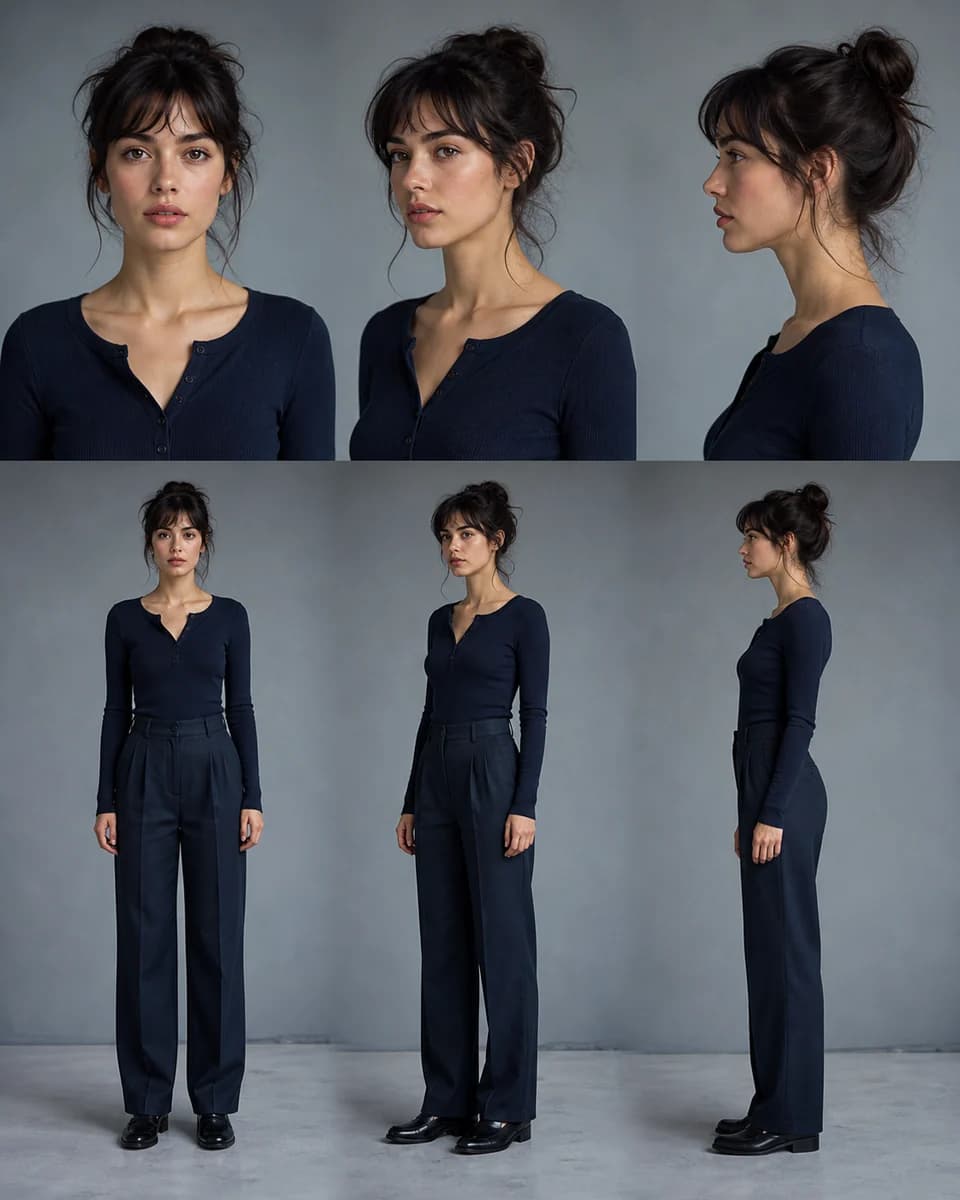
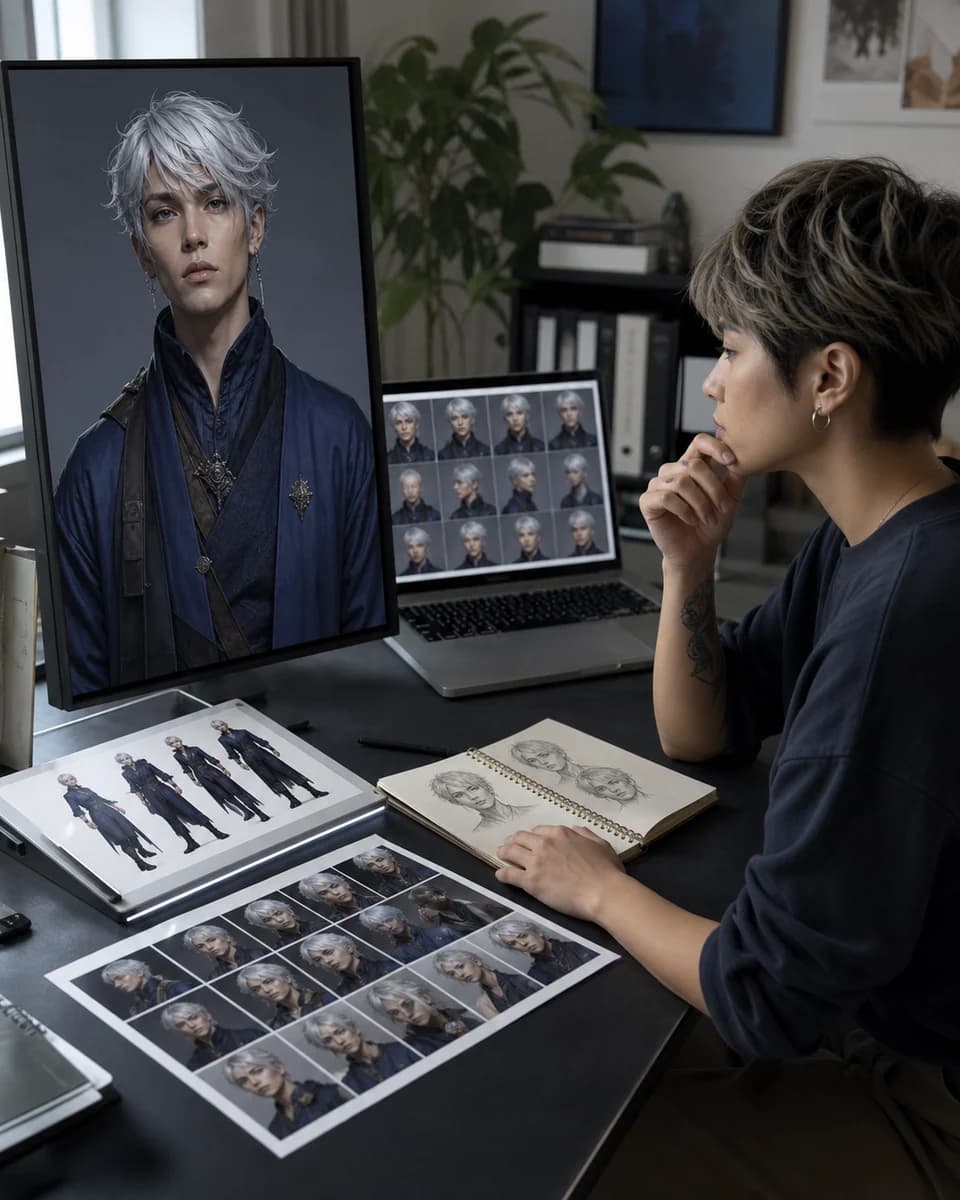
Choose the best AI for character design by testing the work
Use one approved reference across six difficult shots and decide whether CharaSync is the best AI for character design at your continuity stage.