
Identity consistency
Keep the Same Face in AI Images
Change the scene without losing the person. Use named references to hold facial structure steady across new angles, lighting, outfits, and compositions.
01
Small facial changes create a different person
A result can look polished and still fail if the eyes, jaw, age, skin texture, or proportions shift. Viewers notice identity drift immediately.
02
Tell the model exactly who must remain unchanged
Attach the person from References and mention that name inside the prompt. CharaSync maps the named character to the uploaded images while your scene description controls everything else.
A focused workflow
From reference to repeatable output
- 01
Choose an identity anchor
Use a sharp, natural portrait where the main facial features are visible and not hidden by accessories.
- 02
Mention the person by name
Type @ in the prompt, select the saved character, and describe the new setting, expression, or wardrobe.
- 03
Refine from an approved result
When one image captures the identity especially well, save it and use it to strengthen the next generation.
What stays consistent
Protect the details audiences remember
Stable facial geometry
Preserve the proportions that define the person instead of matching only hair color and general mood.
Natural skin and detail
Realism constraints reduce waxy skin, excessive retouching, and the plastic look associated with generated portraits.
Freedom to change the scene
Explore new environments, poses, lenses, and light while keeping the subject recognizable.
Before you create
Frequently asked questions
Why does the same prompt produce a different face?
Text describes a type of person, not one exact identity. A visual reference gives the model concrete facial information that words cannot fully specify.
Will a side-profile reference improve difficult angles?
Yes. Adding a second clear angle can help when the target image turns away from the camera or uses a more unusual perspective.
Can clothing change while the face stays the same?
Yes. State the new clothing clearly in the prompt. If an outfit must also remain fixed, include it in the reference set and mention that requirement.
More ways to create
Explore related use cases
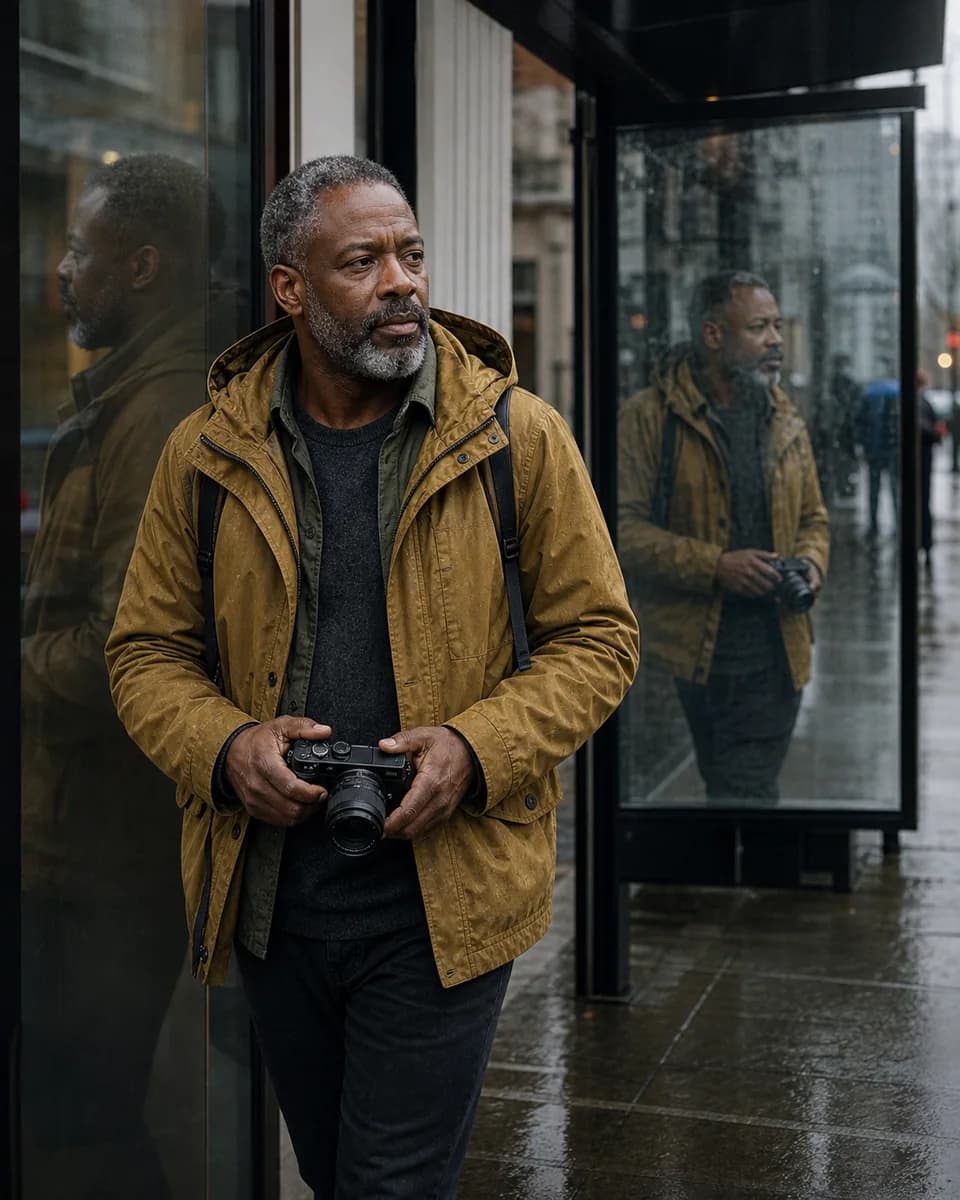


Change the image, not the identity
Start from a trusted face reference and explore new scenes without recasting the person in every generation.